πŸƒSportsHub ✦ phyrenix.com
✦ 18 SPORTS TOOLS · FREE INSTANT ANSWERS

Sports answers that make training make sense.

Weekly volume builders that respect the 10% rule, 5k-to-marathon equivalent pace maths, honest load and rest-day checks, season countdowns, team budgets, shoe-replacement timing and plain-spoken training guides β€” type your sports question and get a straight answer in seconds, with real numbers you can plan a week around. The full detailed report costs less than a coffee: $2.95.

18 toolsFree instant local answers β‰ˆ one coffee ($2.95) for the full reportNo sign-up Β· No spam Β· Educational

Strength Sessions per Week: What Athletes Actually Need

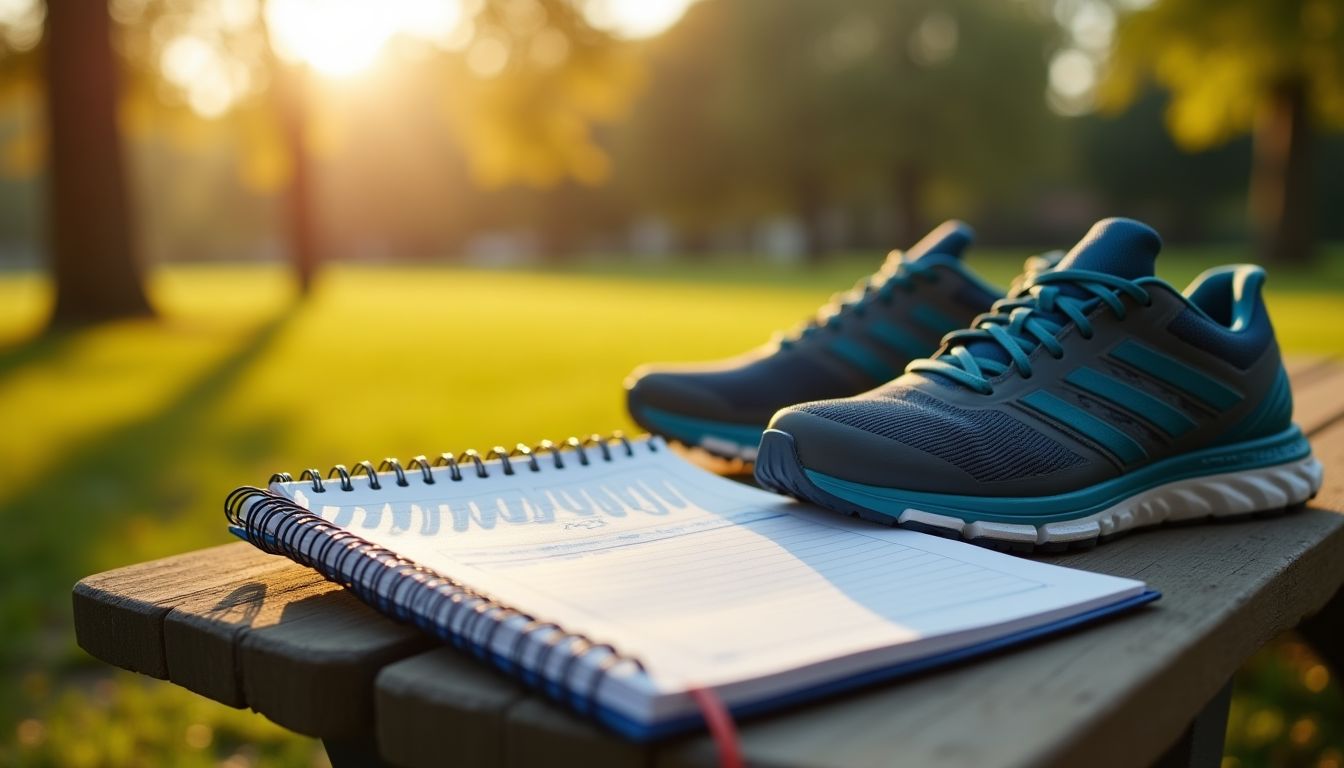
A training diary and stopwatch on a dark wooden bench at dawn, a runner's shoes laced beside it, cool charcoal light with a lime-green glow from the track lights beyond β€” sports training planning guide

Strength training is the closest thing sport has to a free lunch: it makes you faster and more robust, and a widely cited 2018 review of 25 trials found it cut sports injuries by roughly a third, with the biggest effects in running and team sports. The question is how much of it you actually need. For most recreational athletes the honest answer is two short sessions a week β€” one session maintains a little strength but rarely builds it, and three or more only pays off once two are genuinely consistent. This guide covers what a real 20-30 minute session looks like, the scheduling rule that keeps strength work from wrecking your quality sessions, and how to progress slowly and honestly without grinding to failure.

⚑ Free instant check

How many strength sessions a week your sport actually needs β€” the honest two-session answer for most athletes, why one session barely counts, and how to schedule it around hard training days without wrecking them.

Answer 0-10 (10 = the stronger end for every question β€” no wrong answers). Your answers stay on this device β€” nothing is stored.

Every session is improvised β€” 5 β€” Written plan, followed
I jump up when I feel good β€” 5 β€” Steady 10% or less
Nothing written down β€” 5 β€” Every session logged
Push until forced to stop β€” 5 β€” Cutbacks planned in advance

Why it matters

  • For most recreational athletes two short strength sessions a week are the effective minimum β€” one session a week maintains a bit of strength but rarely builds it, and three or more only pays off once the two are genuinely consistent.
  • Strength work is the cheapest injury insurance in sport: a 2018 systematic review of 25 trials found strength training cut sports injuries by roughly a third, with the biggest effects in running and team sports.
  • The classic scheduling rule is simple: put strength on easy or hard days β€” never the day before a key session or race β€” and when in doubt, strength after the quality session, not before it.
  • Twenty to thirty minutes is a real session: a handful of compound movements (squat or lunge pattern, hinge, push, pull, and some core) done with honest effort beats an hour of random machines.
  • Consistency beats intensity: two modest sessions a week for a year transforms an athlete; four heroic sessions for a month changes nothing that lasts.

Your checklist

  • Book two strength sessions into the weekly calendar, ideally on easy days or after quality sessions.
  • Pick 4-6 compound movements that cover squat, hinge, push, pull and core β€” bodyweight and dumbbells are plenty to start.
  • Keep sessions to 20-30 minutes and stop each set 1-3 reps short of failure β€” strength for sport does not need grinding to failure.
  • Progress slowly: add a little weight or a rep or two each week, and back off whenever form breaks down.
  • If you can only manage one session some weeks, do that one β€” one honest session beats skipping both.
  • In season, cut the heavy lower-body work the two days before a race or key match rather than dropping strength altogether.
  • Reassess after 8-12 weeks: if strength is not slowly improving, the problem is almost always consistency, not the programme.

❓ Strength Sessions per Week: How Many You Really Need β€” FAQ

Is one strength session a week enough?

For most athletes, one session a week maintains some strength but rarely builds it β€” two consistent sessions are the effective minimum for improvement. If you can only manage one some weeks, do that one; an honest single session beats skipping both.

When should I schedule strength around training?

The classic rule: strength on easy days or after quality sessions β€” never the day before a key session or race. Twenty to thirty minutes of compound movements on an easy day is the pattern that works for most athletes.

How hard should the sessions be?

Progress slowly and stop each set 1-3 reps short of failure β€” strength for sport does not need grinding to failure. Add a little weight or a rep or two each week, and back off whenever form breaks down.

πŸƒ All sports tools

Every tool answers instantly from our own knowledge and calculators β€” no AI wait, no account. Honest maths and plain guidance, always educational and never medical: training is a long game of consistent, sensible weeks, and these tools exist to keep your plan realistic and your body in one piece β€” not to sell you a miracle programme. Results are estimates and reflections, not diagnoses or prescriptions, and nothing you type is stored. Want the deeper, personalised version? Each has a $2.95 full report.

πŸ—“οΈ Plan Your Training
🏁 Train & Compete
πŸ’§ Recover & Fuel
Educational information only — not medical, coaching, nutritional or physiotherapy advice, and never a guarantee of outcomes. Bodies, training ages and local costs vary widely: the tools give estimates and reflections, not prescriptions. If you are returning from injury, carrying a health condition or feeling something that is not right, talk to a qualified professional β€” they are always the right next step. Refunds honoured.
Β© 2026 Sports Hub Β· part of the phyrenix.com network Β· WebMCP manifest Β· tools.json